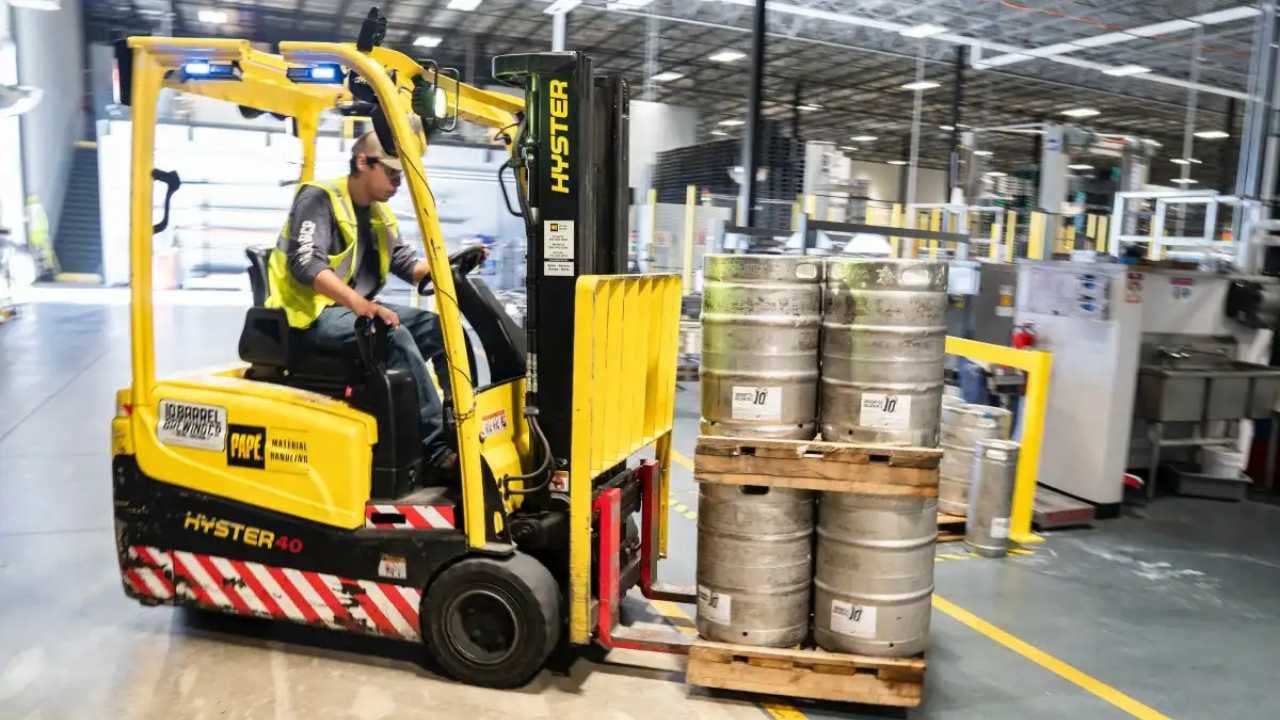
Material handling systems play a vital role in modern industries by improving the movement, storage, protection, and control of materials throughout manufacturing, warehousing, distribution, and logistics operations. From small warehouses to massive production facilities, these systems help businesses reduce labor costs, improve efficiency, and maintain workplace safety. As industries continue to adopt automation and smart technologies, material handling systems have become more advanced and essential than ever before.
This guide explores the major categories, common types, benefits, and leading suppliers of material handling systems used across industries worldwide.
What Are Material Handling Systems?
Material handling systems refer to the equipment, tools, and technologies used to transport, store, manage, and protect materials during manufacturing, distribution, consumption, and disposal. These systems are designed to optimize operational workflows and ensure that materials move efficiently from one point to another.
The main objective of a material handling system is to improve productivity while minimizing operational costs and reducing human effort. These systems are commonly used in industries such as automotive, e-commerce, food processing, pharmaceuticals, construction, mining, and retail warehousing.
Major Categories of Material Handling Systems
Material handling systems are generally divided into four major categories based on their function and application.
Storage and Handling Equipment
Storage and handling equipment is used to store materials safely and organize inventory efficiently within warehouses or manufacturing facilities. These systems help maximize available space while ensuring quick access to products and materials.
Common examples include:
- Pallet racks
- Shelving systems
- Storage bins
- Mezzanines
- Cabinets
- Automated storage systems
These solutions are ideal for warehouses that require systematic inventory management and improved space utilization.
Industrial Trucks
Industrial trucks are mobile equipment used to transport materials within facilities. They are highly flexible and suitable for moving heavy or bulky loads over short distances.
Popular industrial trucks include:
- Forklifts
- Hand trucks
- Pallet jacks
- Order pickers
- Reach trucks
- Tow tractors
These vehicles are widely used in warehouses, shipping yards, and manufacturing plants where materials need frequent movement.
Bulk Material Handling Equipment
Bulk material handling equipment is specifically designed for transporting and storing loose materials such as grains, coal, sand, chemicals, or minerals. Industries such as mining, agriculture, and food processing rely heavily on these systems.
Examples include:
- Conveyor belts
- Stackers
- Reclaimers
- Bucket elevators
- Hoppers
- Silos
These systems help move large quantities of materials efficiently while reducing manual labor.
Automated Material Handling Systems
Automation has transformed the material handling industry significantly. Automated systems use robotics, sensors, software, and intelligent controls to streamline warehouse and production operations.
Common automated systems include:
- Automated Guided Vehicles (AGVs)
- Robotic arms
- Automated conveyor systems
- Warehouse management systems
- Automated storage and retrieval systems (AS/RS)
These technologies help businesses increase accuracy, reduce downtime, and improve overall operational efficiency.
Types of Material Handling Equipment
Different industries require different types of material handling equipment based on operational needs, material type, and facility size.
Conveyor Systems
Conveyor systems are among the most commonly used material handling solutions. They transport materials continuously across fixed routes, making them highly efficient for repetitive tasks.
There are various types of conveyors, including:
- Belt conveyors
- Roller conveyors
- Chain conveyors
- Screw conveyors
- Pneumatic conveyors
Conveyor systems are widely used in airports, manufacturing plants, and e-commerce warehouses.
Forklifts and Lift Trucks
Forklifts are essential for lifting, stacking, and transporting heavy loads. They are available in multiple configurations, including electric, diesel, and gas-powered models.
Modern forklifts often include advanced safety features and automation capabilities to improve operational performance.
Cranes and Hoists
Cranes and hoists are used for lifting extremely heavy materials in industries such as construction, shipping, and heavy manufacturing.
Common types include:
- Overhead cranes
- Gantry cranes
- Jib cranes
- Electric hoists
These systems allow precise lifting and positioning of materials in challenging industrial environments.
Automated Guided Vehicles
Automated Guided Vehicles are self-operating transport systems that move materials without direct human intervention. They follow programmed routes using sensors, cameras, or magnetic guidance systems.
AGVs are becoming increasingly popular in smart warehouses due to their efficiency and reduced labor requirements.
Robotics and Smart Systems
Modern warehouses are rapidly integrating robotics into material handling operations. Robotic systems can sort, pick, package, and transport products with high accuracy and speed.
Artificial intelligence and IoT-enabled systems also help businesses monitor equipment performance, track inventory, and improve workflow efficiency in real time.
Benefits of Material Handling Systems
Investing in the right material handling system offers numerous advantages for businesses across industries.
Improved Productivity
Efficient material movement reduces delays and improves workflow continuity. Employees can focus on more important tasks rather than repetitive manual handling.
Enhanced Workplace Safety
Material handling equipment minimizes the risk of workplace injuries caused by lifting heavy loads or repetitive physical tasks. Modern systems also include advanced safety controls and monitoring features.
Reduced Operational Costs
Automation and optimized handling processes reduce labor costs, material damage, and operational inefficiencies. Businesses can achieve better profitability over time.
Better Space Utilization
Storage systems and automated equipment help maximize warehouse capacity and improve inventory organization.
Increased Accuracy
Automated systems reduce human errors in inventory management, order fulfillment, and material transportation, leading to better customer satisfaction.
Key Suppliers in the Material Handling Industry
Several global companies are recognized for providing advanced material handling equipment and solutions across industries.
Toyota Material Handling
Toyota is one of the leading suppliers of forklifts and warehouse equipment. The company is known for durable products, innovative technology, and strong after-sales support.
KION Group
KION Group owns several well-known brands in the material handling industry, including Linde and STILL. The company offers a wide range of forklifts, automation systems, and warehouse solutions.
Jungheinrich
Jungheinrich specializes in intralogistics and warehouse automation solutions. Its products include electric forklifts, automated systems, and energy-efficient warehouse technologies.
Honeywell Intelligrated
Honeywell Intelligrated provides advanced warehouse automation solutions, including conveyor systems, robotics, and warehouse management software.
Daifuku
Daifuku is a global leader in automated material handling systems for airports, manufacturing plants, and distribution centers. The company focuses heavily on automation and smart logistics technologies.
Choosing the Right Material Handling System
Selecting the right material handling system depends on several important factors, including:
- Type of material being handled
- Warehouse size and layout
- Budget and operational goals
- Automation requirements
- Safety standards
- Maintenance needs
Businesses should carefully evaluate current and future operational demands before investing in equipment or automation technologies.
Final Thoughts
Material handling systems are essential for improving efficiency, safety, and productivity in modern industrial operations. Whether it involves simple storage racks or fully automated robotic systems, the right solution can significantly enhance operational performance and reduce long-term costs.
As industries continue to evolve with automation and smart technologies, material handling systems will become even more intelligent and efficient. Companies that invest in modern solutions today will be better prepared to meet future supply chain and operational challenges.