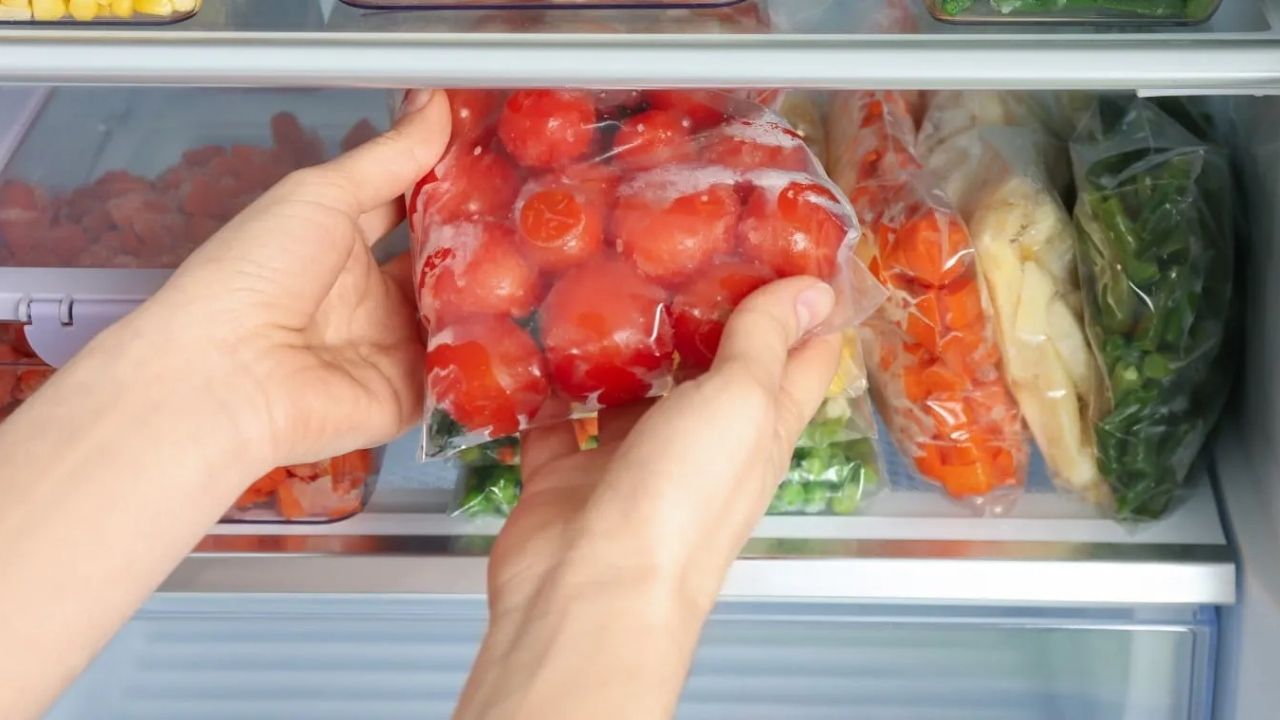
For many people, the refrigerator feels like the safest place to store almost everything. From fruits and vegetables to bread and sauces, many households automatically place groceries in the fridge without thinking twice. While refrigeration helps preserve certain foods, it can actually ruin the taste, texture, freshness, and nutritional quality of others.
Cold temperatures affect foods in different ways. Some items lose flavor, while others spoil faster because of excess moisture or changes in texture. In some cases, refrigeration can even reduce the natural ripening process that makes food healthier and tastier.
Understanding which foods should stay out of the fridge can help reduce waste, improve flavor, and keep your ingredients fresher for longer. Here are some foods you should stop refrigerating immediately and the reasons why it is a big mistake.
Tomatoes Lose Their Natural Flavor
Tomatoes are one of the most commonly refrigerated foods, but cold temperatures damage their texture and taste. Refrigeration breaks down the delicate membranes inside tomatoes, making them soft, watery, and less flavorful.
Tomatoes continue ripening naturally at room temperature, which helps develop their sweetness and rich taste. Keeping them on the kitchen counter is the best way to preserve their quality.
Potatoes Become Sweet and Grainy
Refrigerating potatoes changes the starch inside them into sugar much faster. This process affects both flavor and texture, often making potatoes taste oddly sweet and feel grainy when cooked.
Potatoes should be stored in a cool, dark, and dry place instead of the refrigerator. Proper storage also helps prevent sprouting and moisture buildup.
Bread Dries Out Faster
Many people refrigerate bread to keep it fresh longer, but cold air actually makes bread stale more quickly. Refrigeration causes the starch molecules in bread to crystallize faster, leading to a dry and chewy texture.
Bread is best stored at room temperature in a bread box or airtight container. If you need long-term storage, freezing works much better than refrigeration.
Bananas Turn Black Too Quickly
Bananas thrive in warmer temperatures. Refrigerating them slows the ripening process but also darkens the peel rapidly. The fruit inside may stay edible, but the texture and flavor can become unpleasant.
Keeping bananas at room temperature allows them to ripen naturally and maintain their sweetness.
Onions Become Soft and Moldy
Onions absorb moisture easily inside the refrigerator, causing them to become soft, moldy, and spoiled more quickly. Cold temperatures also affect their texture and flavor over time.
Store onions in a dry, well-ventilated area away from potatoes to keep them fresh for weeks.
Garlic Loses Its Strong Flavor
Garlic stored in the fridge may sprout faster and become rubbery. Moisture inside the refrigerator can also encourage mold growth.
Fresh garlic stays in better condition when stored in a cool, dry place with proper airflow.
Honey Crystallizes in the Fridge
Honey has a naturally long shelf life and does not require refrigeration. Cold temperatures cause honey to crystallize and harden, making it difficult to use.
Keeping honey tightly sealed at room temperature helps preserve its smooth texture and natural flavor.
Coffee Absorbs Refrigerator Odors
Coffee beans and ground coffee easily absorb moisture and nearby odors. Refrigerating coffee can affect its aroma and taste, especially when stored near strong-smelling foods.
Coffee should be stored in an airtight container in a cool, dark place outside the refrigerator.
Avocados Stop Ripening Properly
Unripe avocados should never go into the fridge because cold temperatures interrupt the ripening process. Refrigeration can leave avocados hard and flavorless.
Once fully ripe, avocados can be refrigerated for a short time to slow spoilage, but unripe ones should remain at room temperature.
Melons Lose Their Nutrients
Whole melons such as watermelon and cantaloupe are better stored outside the refrigerator until cut open. Some studies suggest refrigeration may reduce certain antioxidant levels in whole melons.
Once sliced, however, melons should be refrigerated for safety.
Olive Oil Becomes Thick and Cloudy
Cold temperatures can cause olive oil to solidify and develop a cloudy appearance. While this does not necessarily ruin the oil, it affects texture and makes it harder to use.
Olive oil stays best in a cool cabinet away from heat and direct sunlight.
Hot Sauce Does Not Need Refrigeration
Many hot sauces contain vinegar and preservatives that naturally protect them from spoilage. Refrigerating hot sauce may reduce its flavor intensity over time.
Most hot sauces remain perfectly safe at room temperature after opening.
Chocolate Develops White Spots
Refrigeration causes condensation on chocolate, which can create white streaks or spots known as sugar bloom. This affects texture and appearance, even though the chocolate remains edible.
Chocolate is best stored in a cool, dry place away from direct heat.
Basil Wilts Quickly in Cold Temperatures
Fresh basil reacts poorly to refrigeration and often becomes dark and wilted within days. It also absorbs odors from nearby foods.
Keeping basil in a glass of water at room temperature helps it stay fresh longer.
Why Proper Food Storage Matters
Storing food correctly is not only about freshness — it also affects flavor, texture, nutrition, and food waste. Many foods naturally thrive at room temperature and actually spoil faster when exposed to excess moisture and cold air.
Understanding basic food storage habits can also save money by preventing unnecessary waste. Throwing away spoiled fruits, vegetables, and pantry items due to improper storage is a common household problem.
Smart Kitchen Storage Tips
A good rule is to refrigerate foods that spoil quickly because of bacteria, such as dairy products, cooked meals, and raw meat. Dry foods, naturally preserved products, and produce that ripens after harvest often do better outside the refrigerator.
Using airtight containers, storing foods away from direct sunlight, and keeping produce dry can also help extend freshness naturally.
Final Thoughts
The refrigerator is useful, but it is not the perfect storage place for every food item. Many everyday foods lose flavor, texture, and freshness when refrigerated unnecessarily. Some even spoil faster because of moisture and temperature changes.
Learning which foods belong inside or outside the fridge can improve the taste of your meals, reduce food waste, and help your groceries last longer. Small storage changes may seem simple, but they can make a big difference in your kitchen and daily eating habits.